

What is a sightline, and why does it matter?
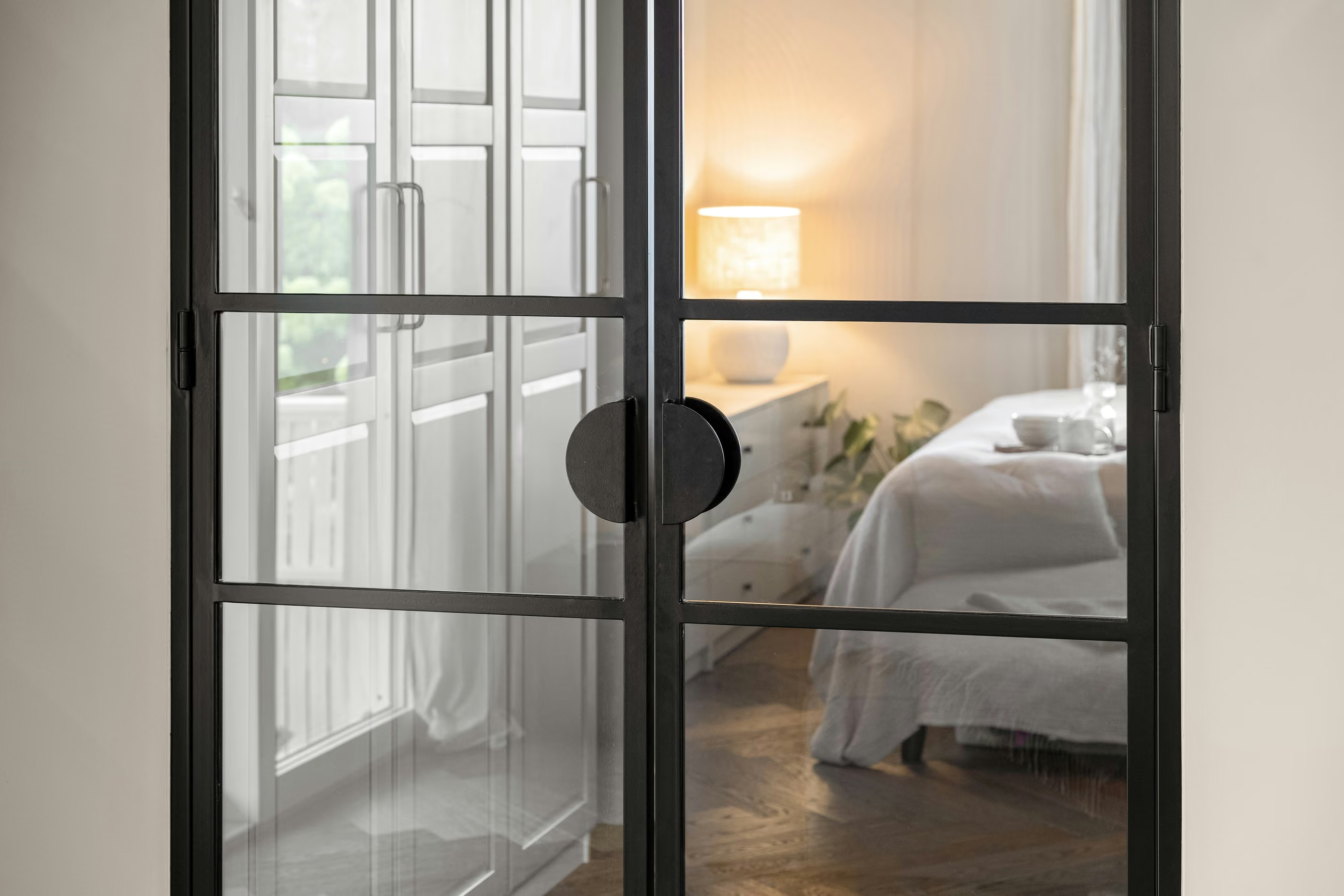
A sightline is the width of frame you can see once a window is installed. A narrow sightline means more glass, a lighter look and a clearer view. It is the main reason people ask for slim profile windows.
The number is easy to misread. A window can have a thin outer frame and a thick sash. It can have a thin sash and a wide meeting rail. So always ask for the sightline at each part: frame, sash, mullion and sill. Our glossary defines sightline, mullion and sash.
This guide goes deeper than our steel windows and doors page. It looks at the published numbers, the limits of a thin frame, and the questions to ask before you order.
How thin can a window frame be?
It depends on the system and on whether the unit opens. Bertrand publishes a minimum visible frame width of 1.39 in (35.2 mm) for a fixed unit and 2.38 in (60.5 mm) for an operable sash on its MB-79N CSF system. Jada says “narrow sightline” and publishes no widths.
Here is what each maker states on its own pages:
| System | Material | What the maker publishes |
|---|---|---|
| Bertrand MB-79N CSF | Aluminum, thermally broken | 1.39 in (35.2 mm) fixed, 2.38 in (60.5 mm) operable, 176 lb (80 kg) maximum sash weight |
| Bertrand SlimLine 38 | Aluminum | Described as inspired by the look of narrow steel profiles. Height range 23.6 in to 9 ft 10 in. Width range 17.7 in to 3 ft 11 in |
| Jada swing line | Thermally broken steel | “Narrow sightline” Secco OS2 profiles. No width published |
Those are minimum widths. Real widths grow with unit size, glass weight and the opening type. A fixed lite can use the thinnest frame. An operable sash needs a wider section to carry hinges, seals and glass.
Bertrand’s page for the MB-79N CSF describes a flush version, where the sash and frame align on the exterior plane, and a non-flush version with a subtly offset sash. Each reads differently from the street. Ask to see both in a mockup or a drawing.
 Heavier frame 79% glassSlim frame 91% glass
Which slim systems does Honey Rock work with?
Honey Rock works with Jada for thermally broken steel and with Bertrand for aluminum systems. Both brands appear on our partners page. Read the brand pages for Jada and Bertrand to see how each maker describes its range.
Jada’s swing line includes outswing, inswing, awning, hopper and fixed units, all on narrow sightline Secco OS2 thermally broken steel profiles. Bertrand lists SlimLine 38 for inward- and outward-opening windows. It also states the system is suited to renovating buildings that have original steel-framed windows. That makes it a fit for homes where a steel look matters but the budget or schedule points to aluminum.
For a side-by-side look at the two metals, read the steel vs aluminum guide.
A note on honesty. Bertrand’s MB-79N CSF page says it was designed for clients in the UK, Ireland and similar markets. We have not seen a US NFRC label for it. Ask for the US rating of any system before it goes into your plans.
Do thin frames hurt energy performance?
Not automatically. Energy performance comes from the whole unit. The US Department of Energy says the energy efficiency of a window is primarily a function of its U-factor and solar heat gain coefficient (SHGC). Glass is most of the area, so glass choice matters as much as frame width.
Bertrand says SlimLine 38 supports both double and triple glazing despite its slim profiles. For a metal frame, the Department of Energy says a mostly metal frame or sash needs carefully integrated thermal breaks. See our thermal break guide for how that works in steel.
Ask for the NFRC label values for the exact unit, then compare them. Our guides on reading an NFRC label and SHGC and U-factor for Texas show how. Do not compare a European Uw value to an American U-factor. They use different units and test methods.
What limits a slim frame?
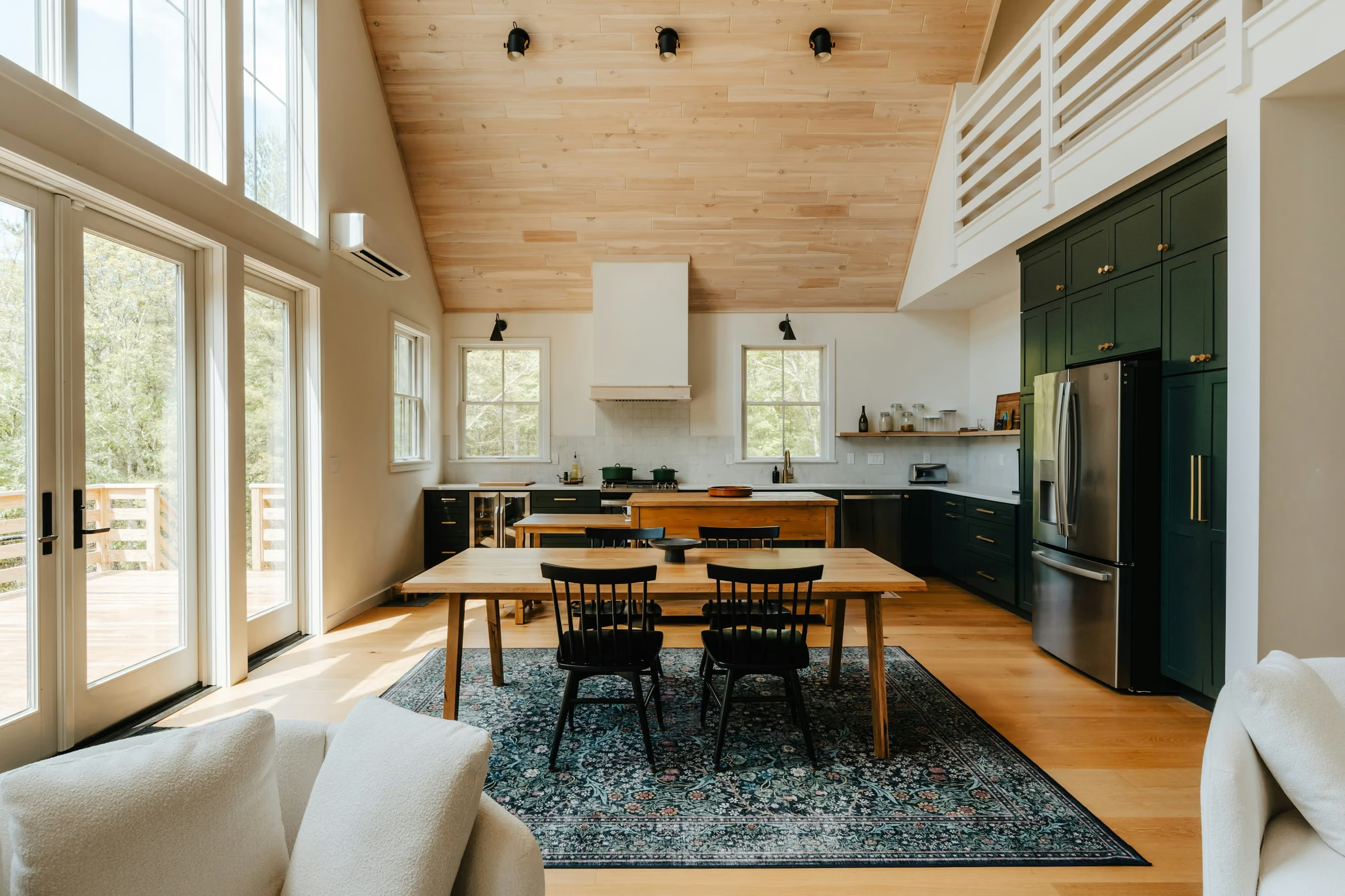
Three things limit a thin frame: glass weight, sash weight and wind or structural load. The thinner the metal, the more the system depends on engineering, hardware and installation. Slim does not mean weak, but it does mean you should ask for numbers.
Published limits we can cite:
- Bertrand MB-79N CSF: maximum sash weight 176 lb (80 kg).
- Bertrand SlimLine 38: height range 23.6 in to 9 ft 10 in, width range 17.7 in to 3 ft 11 in.
- Jada: no maximum size published. Ask in writing.
A large pane of glass in a thin sash is heavy. Triple glazing adds weight. Laminated glass adds more. If your design has tall operable sashes, ask the maker to confirm the glass weight against the sash weight limit before you finalize the order. Learn about glass types in our glass options guide.
Where do slim profiles pay off in a home?
Slim profiles pay off where you look through the window often or where glass runs wall to wall. They matter less on a small bathroom window you rarely see.
- View walls. A pool, a garden or a skyline view gains the most from thin frames.
- Stairwells and entries. Tall fixed glass with thin frames lets in light.
- Steel-window restorations. Bertrand says SlimLine 38 is suited to buildings that have original steel-framed windows. Pair this with the rules in our historic districts guide.
- Mixed walls. Use fixed lites for view and slim operable units for air. See fixed and picture windows and casement and awning windows.
Doors have sightlines too. A sliding or lift-and-slide door has a meeting stile where two panels meet. Bertrand publishes a visible width of 1.87 or 1.97 in at that point for its MB-77HS lift-and-slide door with narrow mullion. Our lift-and-slide guide covers that choice.
What should I ask for before I order?
Ask for drawings and numbers, not photos. Photos show angles that hide frame width. This list works for any slim system.
- A full-size section drawing of the frame, sash and mullion.
- The visible width of each part, in inches.
- The maximum sash weight and maximum size for your openings.
- The NFRC label values for the exact glass and frame.
- The finish and its written warranty.
- Whether the sash is flush or offset on the exterior.
- The lead time, the shipping route and who handles damage claims.
If you are an architect or builder, bring the elevation and the glass schedule. Our builders and architects page explains how to bring Honey Rock into a project, which it describes as running “From the initial design process to the final installation.”
How do I read a section drawing for sightlines?
A section drawing is a slice through the frame, drawn at full size or to scale. It shows the metal, the glass and the seals from the side. You can measure the visible frame on it with a ruler. Photos cannot give you that.
Follow these steps when a drawing arrives:
- Find the scale. Full size is easiest to read. If it says 1:1, one inch on paper is one inch in the wall.
- Locate the glass on the drawing. The metal you can see from the room side is the sightline.
- Measure the frame at the jamb, head and sill. They are often different.
- Measure the sash and the meeting rail on operable units.
- Measure the mullion where two units join.
- Write each number next to the opening on your elevation.
Do this for every system you compare. Then lay the drawings on top of each other on a light table or a window. Differences of a quarter inch become obvious.
How do I test a slim profile before I commit?
Ask for a sample corner, a mockup or photos of a finished job with the same system. A sample lets you see the finish and feel the hardware. A mockup lets you check the sightline against your wall. If a maker cannot provide one, ask for a drawing and a reference.
Check the following:
- The sash weight against the hardware rating.
- The hinge or handle feel, especially on large sashes.
- The color and finish under your actual lighting.
- The glass edge. Spacers and tape lines vary and are visible on slim frames.
- The sealant lines and the flashing at the opening.
Thin frames show more of the glass edge and more of the sealant. Ask your installer how those details will look when finished.

Which glossary terms should I know?
Slim profile jargon is short but easy to mix up. The glossary entries below define the terms in this guide.
- Slim profile window: a window with narrow visible frame parts.
- Sightline: the visible width of the frame.
- Fixed window: a window that does not open.
- Casement window: a window hinged on the side.
- Mullion: the post where two units meet.
What trade-offs come with a slim frame?
A slim frame gives you more glass and a lighter look. It also asks more of the hardware, the glass and the installer. Weigh the trade-offs before you set your heart on the thinnest line.
- Weight limits. Thin sashes carry less weight, so very large operable units may need a different system.
- Glass choices. Triple glazing or laminated layers add weight and thickness.
- Visible details. Spacers, sealant and gaskets show more on slim frames.
- Installation care. A frame out of square is easier to see against a thin line.
- Cost. Precision systems and large glass raise price. We publish no prices, so ask for a written quote.
None of these rule out a slim frame. They tell you what to confirm.
Next step
Share your elevations and we will help you compare slim systems from our partner makers. Start with the steel windows and doors page, then start your project or call (214) 484-9982.
Questions people ask
What is a sightline on a window?
A sightline is the visible width of the frame, sash or mullion once the window is installed. It is the metal you see around the glass. A smaller sightline means more glass and less frame. Ask for sightlines in inches at every joint, not just at the edge.
How thin can a window frame be?
It depends on the system. Bertrand publishes a minimum visible frame width of 1.39 in for a fixed unit and 2.38 in for an operable sash on the MB-79N CSF. Jada says narrow sightline and gives no number. Ask for section drawings of the exact unit.
Are slim profile windows less energy efficient?
Not by default. Bertrand says SlimLine 38 supports both double and triple glazing. Energy performance comes from the whole unit, glass and frame together, as shown on the NFRC label. Compare labels for the exact unit instead of judging by frame width.
Do slim frames limit window size?
They can. A thin frame must carry the glass and the sash weight. Bertrand lists a 176 lb maximum sash weight for the MB-79N CSF and a 23.6 in to 9 ft 10 in height range for SlimLine 38. Jada publishes no maximum sizes, so ask in writing.
Are steel windows energy efficient?
They can be when the frame has a thermal break and the glass fits the climate. The US Department of Energy says a mostly metal frame needs carefully integrated thermal breaks. Read the NFRC label for the exact unit before you order.
Terms on this page
Sources
- Bertrand: MB-79N CSF slim aluminum window system (fixed sightline)
- Bertrand: MB-79N CSF slim aluminum window system (operable sightline)
- Bertrand: MB-79N CSF slim aluminum window system (sash weight)
- Bertrand: MB-79N CSF slim aluminum window system (market)
- Bertrand: SlimLine 38
- Bertrand: SlimLine 38 (glazing)
- Bertrand: SlimLine 38 (renovation)
- Bertrand: SlimLine 38 (height)
- Bertrand: SlimLine 38 (width)
- Bertrand: MB-79N CSF (aesthetic options)
- Bertrand: MB-77HS lift and slide door
- Jada Windows: Swing windows and doors
- US Department of Energy: Purchasing Energy-Efficient Residential Windows, Doors, and Skylights
Written by Honey Rock Window and Door and checked against the sources above on November 5, 2026. Product specifications and city rules change, so check the linked page before you act.