
Know before you choose
Each guide starts with the short answer, then the detail, the trade-offs and the sources we checked.
Buyer’s guides
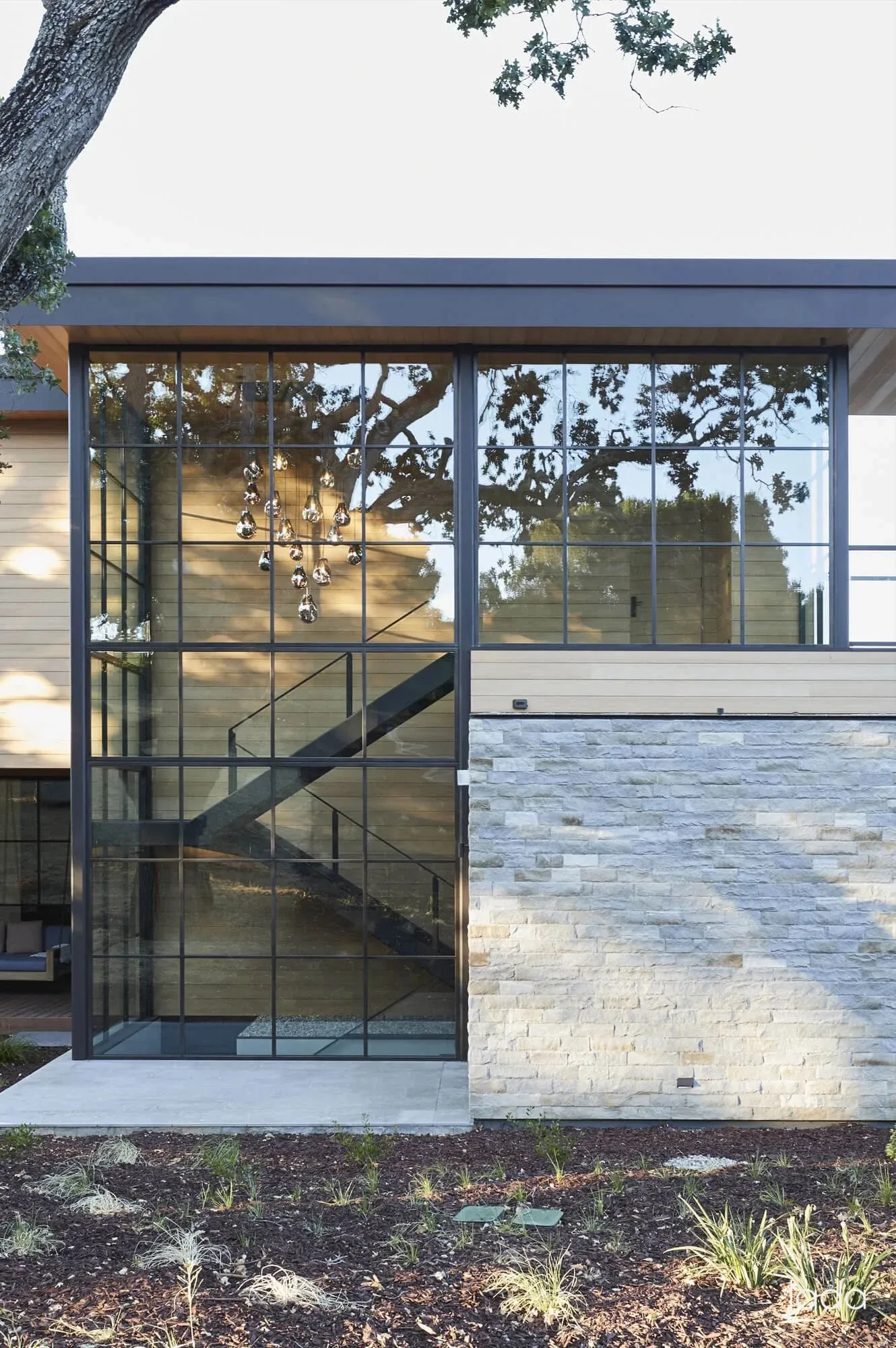 Steel windows and doors for Dallas homesSteel windows and doors use a thin steel frame to hold large panes of glass. Jada builds them from narrow Secco OS2 thermally broken steel profiles in four families: swing, slide, fold and pivot. A built-in thermal break keeps heat from crossing the frame. Honey Rock Window and Door works with Jada for Dallas projects.
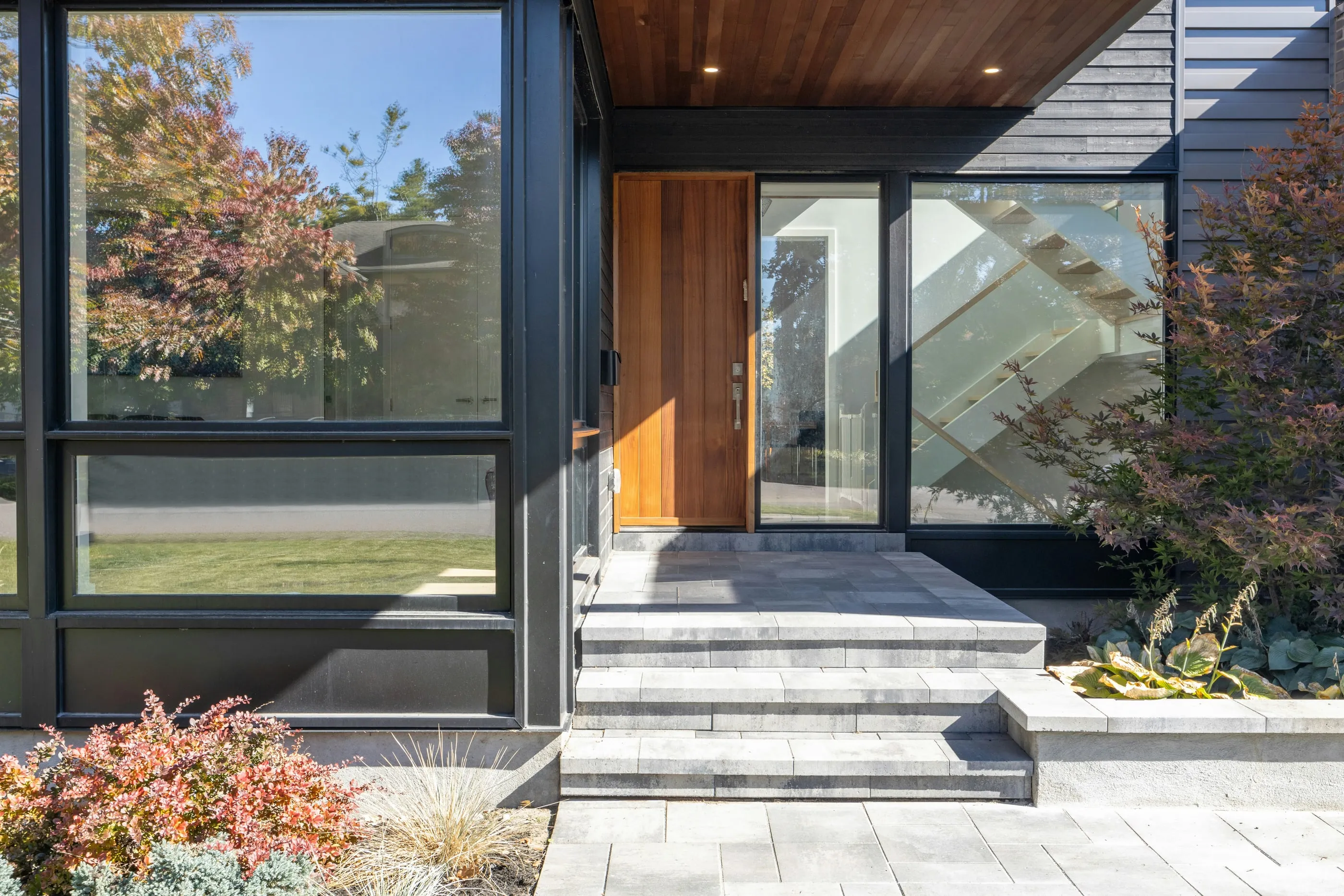 Pivot doors for Dallas homes: steel and aluminumA pivot door turns on a vertical axis set into the floor and head instead of on side hinges. That lets a door be very large and still swing with one hand. Jada makes a vertical steel pivot door on a hydraulic floor pivot. Bertrand makes three aluminum pivot systems. Honey Rock works with both makers.
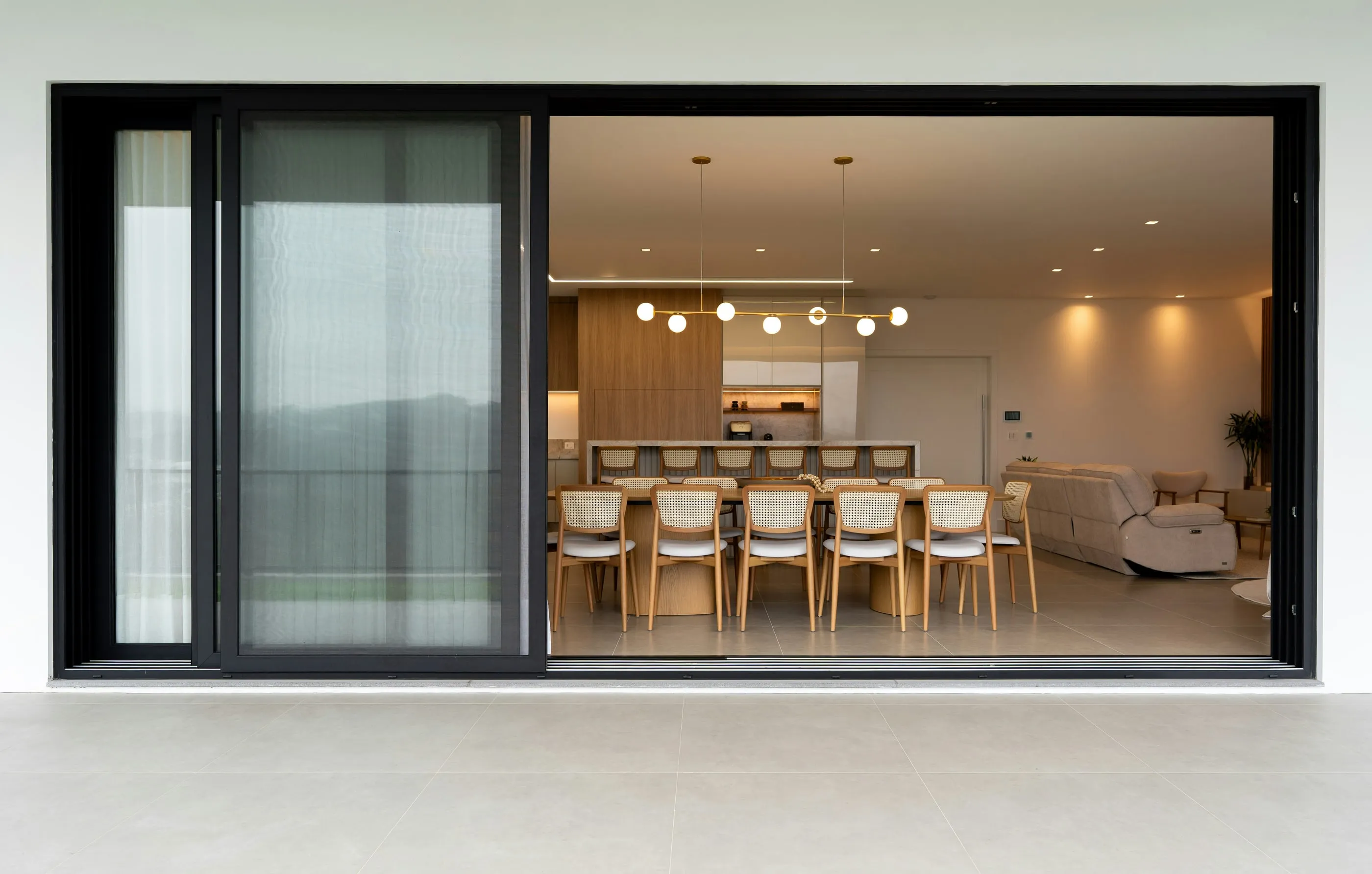 Sliding, multi-slide and lift-and-slide doorsA sliding door moves a glass panel along a track. A lift-and-slide door first lifts the panel off its seals, so very heavy glass glides with one hand, then lowers to lock tight. Multi-slide doors stack or pocket several panels. Honey Rock works with Jada, Bertrand and Sun Windows, which each make sliding systems.
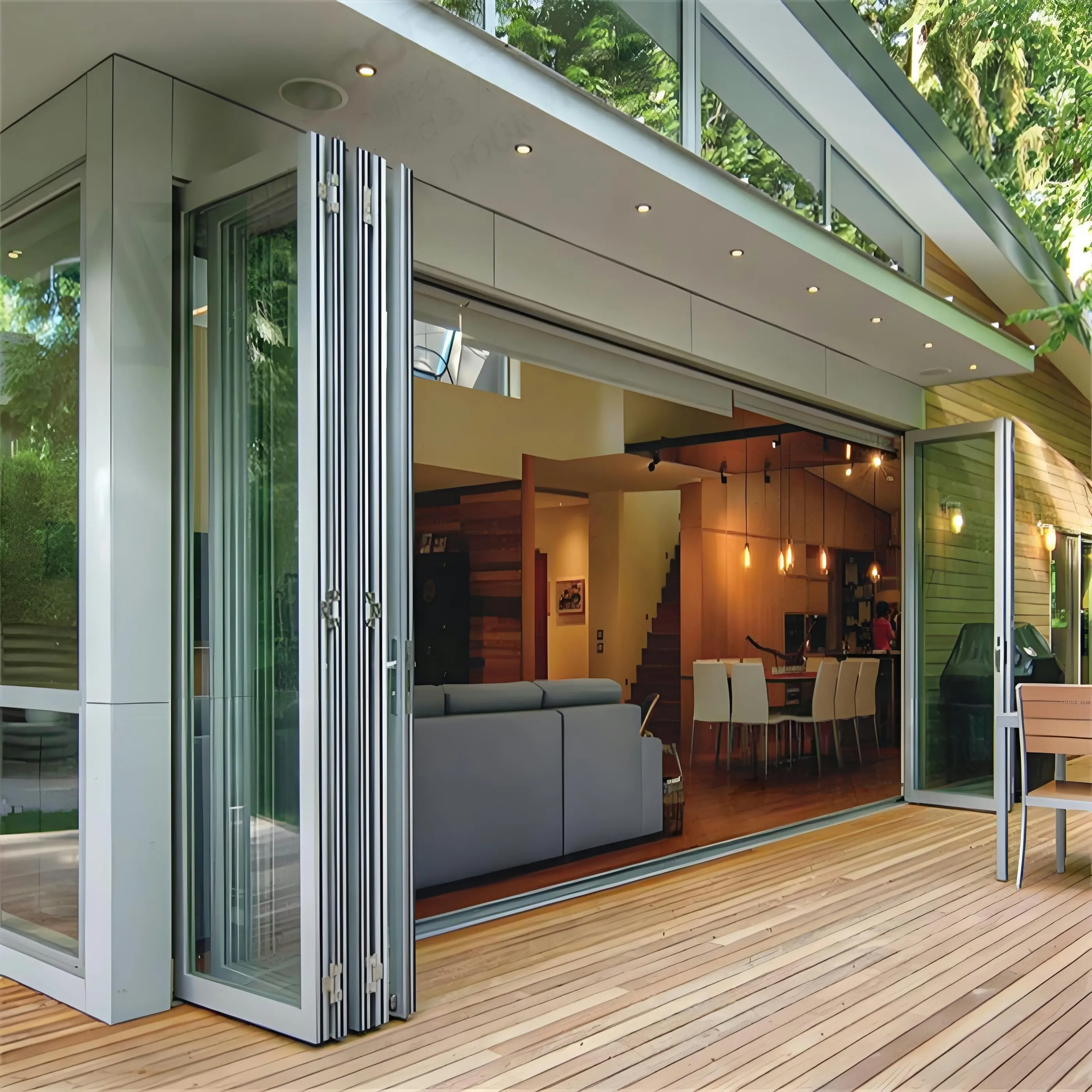 Folding and bi-fold doors for Dallas homesA folding door is a row of hinged glass panels that fold flat and stack to one side, opening nearly a whole wall. Jada makes outswing steel folding doors and windows. Bertrand makes aluminum folding systems. Sun makes clad-wood bi-fold doors and windows with Centor hardware. Honey Rock works with all three makers.
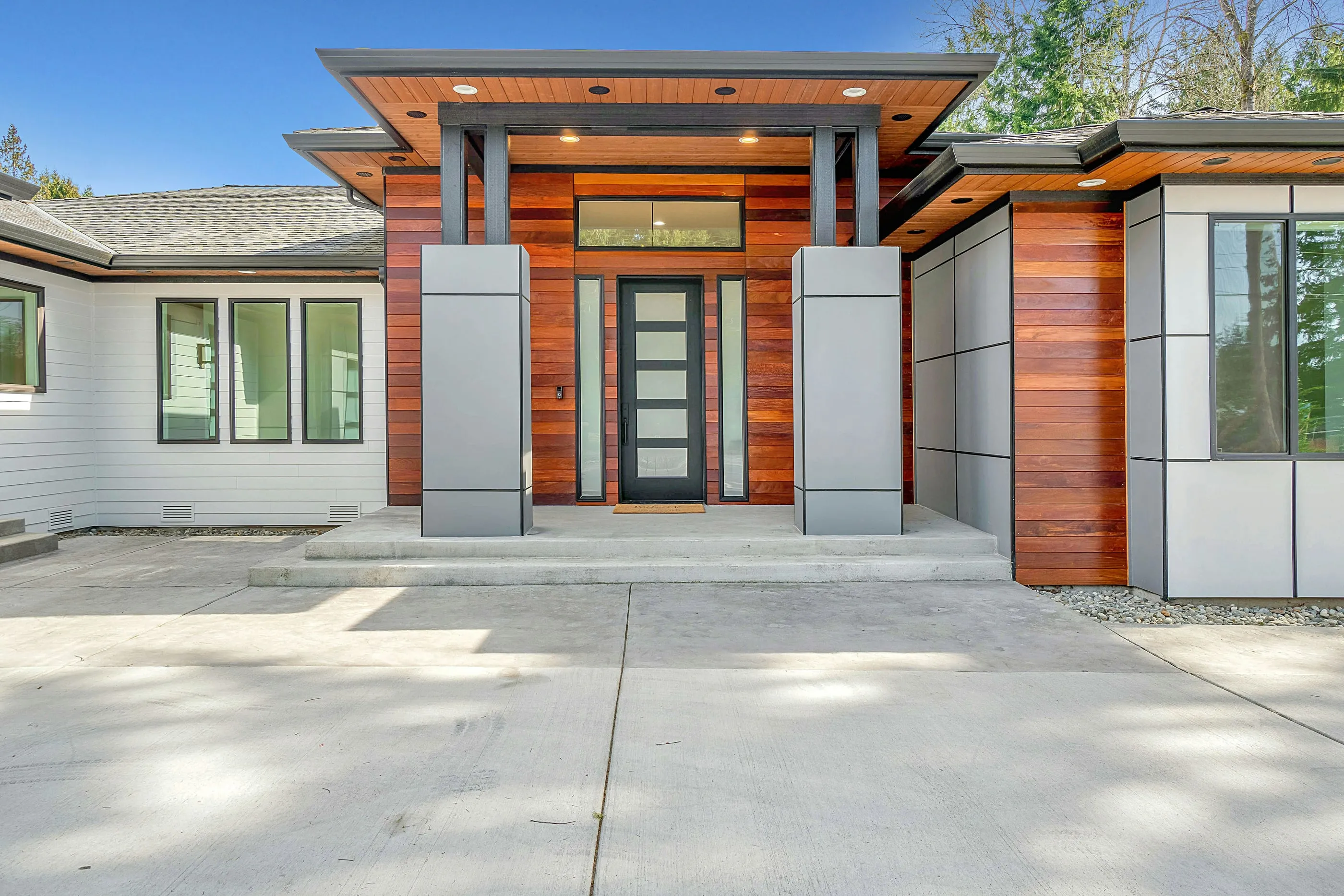 Custom entry doors: swing, pivot, steel and wood-cladA custom entry door starts with how it opens: inswing, outswing or pivot. Then you choose the frame material, the glass and privacy level, the locks and the sill. In Texas, add the sun. A west-facing door needs low-solar-gain glass and a sill detail that suits its exposure.
 Energy-efficient windows for Texas homesIn Texas, the number that matters most is solar heat gain (SHGC), because summer sun drives cooling costs. Then check U-factor, visible transmittance and the NFRC label. Dallas and Tarrant counties sit in ENERGY STAR's Southern zone. Local energy codes differ by city, so confirm yours.
 Window replacement in Dallas luxury and historic homesBefore you replace windows in Dallas, confirm three things with the city: whether your work needs a permit, whether your home sits in a Landmark or conservation district, and what that district allows. As of November 2026, historic districts need approval before exterior work. Never assume a swap is exempt.
Deeper guides
- Steel vs aluminum windows: how to choose for a Dallas homeChoose steel when you want the slimmest metal look and a patina or painted finish, and choose aluminum when you want a wide range of systems and powder-coated or anodized color. Both need a thermal break to perform well in Texas heat. Compare NFRC labels, sightline numbers, sash weight limits and written quotes before you decide.
- Thermally broken steel windows: what the break does and what to askA thermally broken steel window has an insulating barrier between its outer and inner steel halves. The barrier slows heat flow through the metal and helps limit condensation. It does not make a window efficient alone. The glass, spacer and installation set the final NFRC numbers, so judge the whole unit.
- Slim profile windows: how thin can the frame go?A slim profile window has a narrow visible frame, called the sightline, so more of the opening is glass. Bertrand publishes 1.39 in for a fixed frame and 2.38 in for an operable sash on its MB-79N CSF. Jada says its steel profiles are narrow sightline but publishes no width.
- Pivot door buying guide: what to check before you orderA pivot door turns on a hinge point set in the floor and head, so part of the door swings in and part swings out. Jada makes a vertical pivot door with a concealed hydraulic floor pivot and multi-point locking. Plan the swing, the raised sill, the cover and the floor load before you order.
- Lift-and-slide vs sliding doors: which one fits your opening?A lift-and-slide door raises the panel onto rollers to move and lowers it onto its seals to close. A standard sliding door rolls on its track all the time. Lift-and-slide suits very large, heavy panels and tight seals. Standard sliders suit simpler openings. Compare sizes, sill height and sash weight limits.
- Multi-slide and pocket doors: what to plan before you frame the wallA multi-slide door runs several glass panels on parallel tracks so a wide wall can open. A pocket layout slides the panels into a cavity in the wall. Jada describes multiple glass panels and multiple screen panels that slide into multiple pockets. Settle wall depth, track count, screens and motor space before framing.
- How to read an NFRC label on a window or doorAn NFRC label lists independent, third-party energy ratings for one window or door: U-factor (heat loss), solar heat gain coefficient (heat from the sun), visible transmittance (daylight) and air leakage. Lower U-factor and SHGC mean less heat moves through. Compare labels for the exact size, glass and frame you plan to buy.
- SHGC and U-factor for Texas: what the numbers should look likeIn Texas, SHGC (how much sun heat gets in) usually matters first, and U-factor (how fast heat leaks through) matters too. The Department of Energy says hot climates need low SHGC. Pick a target from your ENERGY STAR climate zone and your city's energy code, then match it to the rated product.
- Glass options for windows and doors: Low-E, argon, triple and laminatedMost exterior glass is an insulated glass unit: two panes with a sealed, gas-filled gap. Low-E coatings cut heat flow, argon slows convection, a warm-edge spacer protects the edge, and laminated or tempered glass adds sound control or safety. Match the package to each wall, then ask for whole-window ratings.
- Replacing windows and doors in a Dallas historic districtIn a Dallas Landmark district, exterior work needs a Certificate of Appropriateness before it starts. Minor work may need only staff approval. Bigger changes go to the Landmark Commission. Conservation districts like the M Streets use a Work Review Form instead. Confirm your address and the rules with the city first.
- Clad-wood, steel or aluminum: which window frame fits your home?Clad wood gives a warm wood interior with a low-upkeep aluminum exterior. Thermally broken steel gives the narrowest, most architectural look. Aluminum offers slim frames in many systems. All three work in Texas if the frame has a thermal break and the glass is chosen for the sun.
- Planning a window and door project, from first drawing to install dayPlan in this order: design and openings, product and glass choices, a quote from your plans, permit and approval checks, then ordering, delivery and installation. Send plans, a window schedule, rough opening sizes and photos early. Ask each maker for a written lead time on your exact configuration; never assume one.

Let’s frame your view.
Send your plans or a few photos of the openings. We will help you choose the system, the brand and the glass.