Should I choose steel or aluminum windows?
Choose steel if you want the slimmest metal look and a hand-finished surface. Choose aluminum if you want a wide choice of systems and factory color. Honey Rock works with Jada for thermally broken steel and Bertrand for aluminum, so you can compare both on one project.
Both frames are metal. Both can look crisp and modern. The real choice comes down to five things: sightline, finish, sash weight, thermal performance, and how the product reaches your site. This guide walks through each one so you can ask better questions before you order.
Our main page on steel windows and doors covers the full system. This guide stays on one decision: steel or aluminum.
What is the difference between steel and aluminum frames?
Steel and aluminum frames differ in finish, published data and where they are made. Each maker publishes different data, so the table below shows only what each brand states on its own pages.
| Question | Jada (steel) | Bertrand (aluminum, MB-79N CSF) |
|---|---|---|
| Where it is made | Grass Valley, California | Luzino, Poland |
| Thermal break | Two steel halves joined with a pressure infused polyurethane thermal barrier | Three-chamber, thermally broken profile |
| Published sightline | “Narrow sightline,” no number published | 1.39 in (35.2 mm) fixed, 2.38 in (60.5 mm) operable |
| Finish | Zinc coated after welding, then patina or Tnemec opaque color | Anodized or powder-coated |
| Maximum sash weight | Not published | 176 lb (80 kg) |
| Opening styles | Outswing, inswing, awning, hopper, fixed | Fixed, side-hung, top-hung |
Read the table with care. Bertrand’s page for this system says it was designed for clients in the UK, Ireland and similar markets. Ask for the US NFRC rating of the exact unit before you rely on any number. Jada publishes no sightline numbers and no maximum sizes, so ask for them in writing.
Learn more about each maker on our Jada and Bertrand pages.
 Heavier frame 79% glassSlim frame 91% glass
Which one looks slimmer?
Steel has a reputation for thin lines, but only a drawing proves it. Jada calls its profiles narrow sightline and does not publish widths. Bertrand publishes widths for the MB-79N CSF and also offers SlimLine 38, which it describes as inspired by the look of narrow steel profiles.
A sightline is the visible width of the frame once the window is installed. Small differences add up. A wall of ten windows has twenty vertical frame edges, so an extra half inch on each one changes the whole elevation.
Ask your supplier for a section drawing of each unit, drawn at full size. Lay the two drawings side by side. Then check the sightline at the meeting rail, the mullion and the sill, not just the jamb. Our slim-profile windows guide goes deeper on this.
Do steel windows rust?
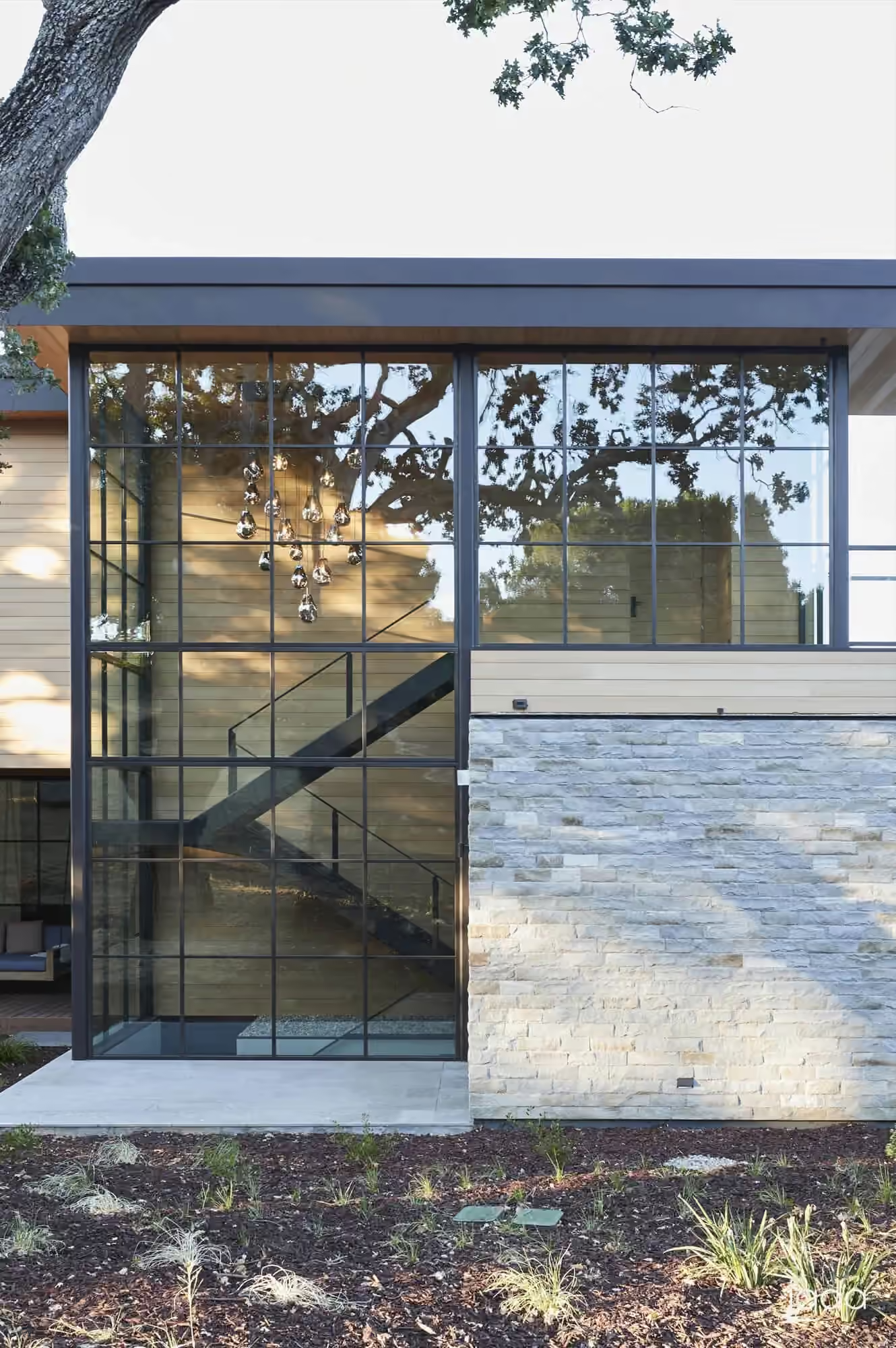
Steel can rust if the finish fails, so the coating system is the thing to judge. Jada says all its steel components are fully zinc coated after welding, drilling and machining. It then applies a patina finish, or Tnemec color matching in a durable polymer paint for opaque colors.
That order matters. Coating after welding means the weld areas get covered too. Ask any steel supplier these questions:
- When is the zinc applied: before or after welding and machining?
- What is the top coat, and is it a patina or a paint?
- How do you repair a scratch on site?
- What cleaning products are safe, and what should I avoid?
- What is the written warranty for the finish?
Honey Rock does not publish a warranty of its own, and Jada’s pages we reviewed list no product warranty. Ask for the warranty terms in writing for any metal system you buy. If a window will sit near a pool, irrigation spray or a chlorinated water feature, tell your supplier at the start.
Aluminum systems deserve the same questions. Bertrand lists anodized or powder-coated finishes for the MB-79N CSF, so ask what coating standard applies and what the finish warranty says.
Are steel and aluminum windows energy efficient?
They can be, if the frame has a thermal break and the glass fits the climate. The US Department of Energy says a mostly metal frame needs carefully integrated thermal breaks to minimize conductive heat flow. ENERGY STAR says aluminum frame design typically includes thermal breaks.
A thermal break is a strip of low-conductivity material between the outer and inner parts of the metal. It slows heat flow through the metal. Read our guide to thermally broken steel windows for the details.
Frame material is only part of the story. The U-factor and SHGC on the NFRC label describe the whole unit, glass and frame together. The Department of Energy says the lower a U-factor, the less heat will flow through the window. In warm climates it says to look for low SHGC to reduce unwanted heat gain. North Texas is a cooling-heavy climate, so SHGC deserves real attention.
Use these guides to read the numbers:
Do not compare a metric Uw value from a European page to an American U-factor on an NFRC label. They use different units and test methods. Compare labels only.
How much do steel and aluminum windows cost?
Honey Rock publishes no prices, and the maker pages we reviewed list none. Both steel and aluminum are custom products, so the price depends on your drawings. Ask for a written quote before you commit.
These items change the price on either material:
- Size and count. Large glass and many operable units cost more than small fixed lites.
- Glass. Triple glazing, laminated glass and low-E coatings add cost. See glass options.
- Finish. A patina or special color differs from a standard color.
- Hardware. Levers, locking and motorization add line items.
- Shipping and lead time. Where the product is made affects freight and schedule.
- Installation. Flashing, shimming and sealing take skilled labor. Read about the rough opening first.
Ask the supplier to list each item separately. A single lump price hides the details you need to compare.
What should I ask before I choose?
Ask for the same documents on both materials, then compare them line by line. A short checklist keeps the conversation fair and helps your builder or architect.
- A full-size section drawing of the frame, sash and mullion.
- The visible sightline at every joint, in inches.
- The maximum sash weight and maximum size for your openings.
- The NFRC label values for the exact glass and frame you will order.
- The finish system and the finish warranty, in writing.
- The lead time and the shipping route.
- Who flashes and seals the unit, and to what standard.
- What happens if a unit arrives damaged or out of square.
If you are a builder, architect or designer, our builders and architects page explains how to bring Honey Rock into the drawing phase.
When does steel win, and when does aluminum win?
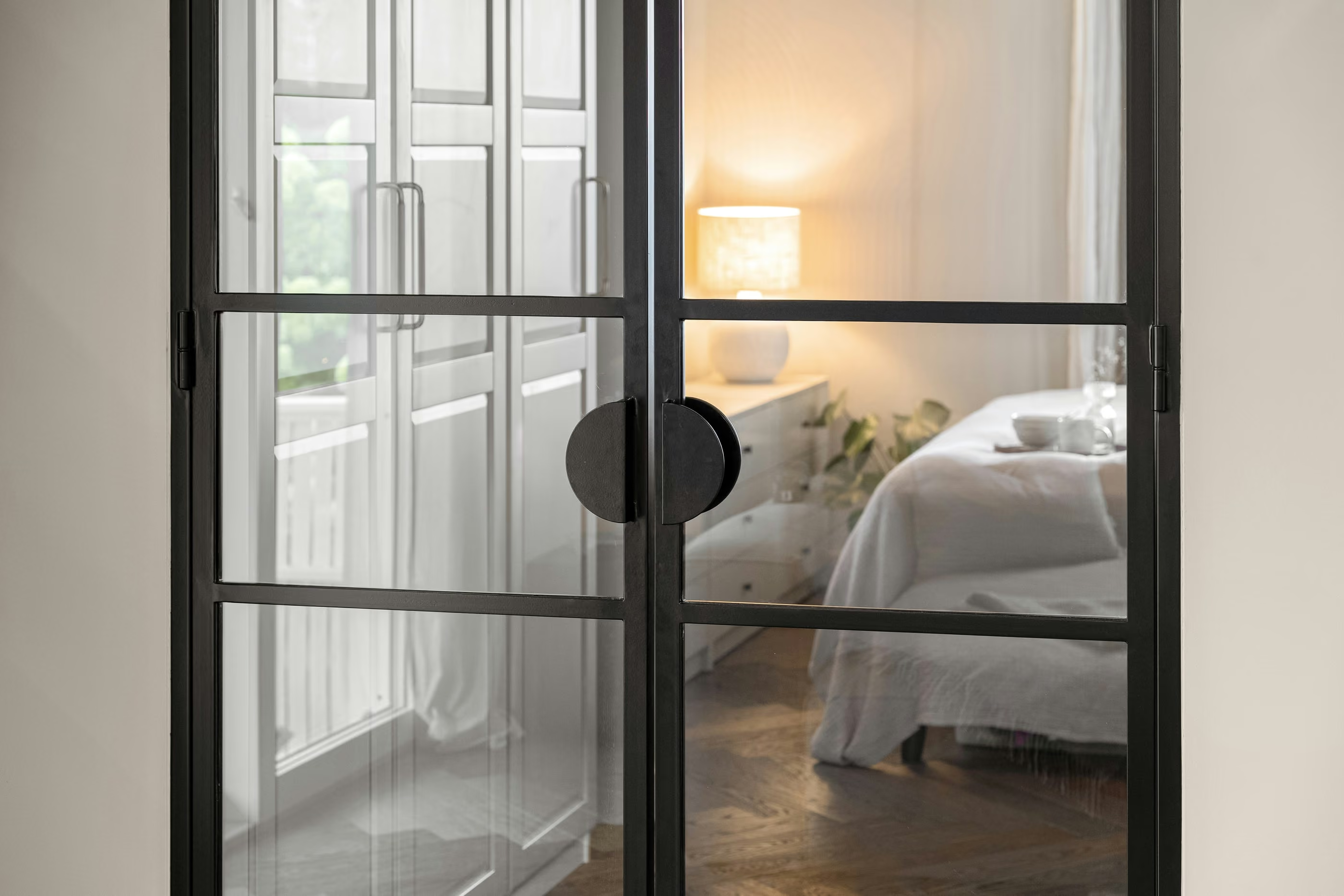
Steel suits a project that values a slim, hand-built look and a patina finish. Aluminum suits a project that values a broad system choice, factory color and published numbers. Many homes use both.
| If your project… | Lean toward |
|---|---|
| Matches a historic steel-window look | Steel, or aluminum drawn to look like steel |
| Needs a published sightline in inches | Aluminum, until steel numbers are in writing |
| Wants a hand-applied patina finish | Steel |
| Wants powder-coated color to match other metals | Aluminum |
| Has large openings and heavy sashes | Check the sash weight limits of each system |
| Needs a short, certain schedule | Ask both makers for current lead times in writing |
You do not have to pick one material for the whole house. A steel entry wall and aluminum casements in the bedrooms can work well when the sightlines and finish colors are matched. Compare other frame materials in our frame materials guide. If you want to see aluminum options first, start with aluminum windows.
Which material suits a remodel or a historic home?
For a remodel that must match old steel windows, steel is the natural start, and some aluminum systems are drawn to copy the look. Jada says Secco was the first company to develop a narrow profile section for the restoration market. Bertrand says SlimLine 38 is suited to renovating buildings that have original steel-framed windows.
Both statements come from the makers, so ask each one for drawings and photos of finished work that match your wall. If your home sits in a historic district, the city may review the look of a replacement before you order. Read our guide to windows in Dallas historic districts and ask the city to confirm the rules for your address.
Remodels bring other limits too. Old openings may be out of square. Walls may not carry a heavy sash. Measure first, then pick the system. Our planning guide lists the steps.
How do I compare two quotes fairly?
Put both quotes in the same table, line by line. A steel quote and an aluminum quote often list different things, which hides the real gaps. Use the grid below and fill it in for each bid.
| Line item | Steel quote | Aluminum quote |
|---|---|---|
| System name and profile | ||
| Sightline at frame, sash and mullion | ||
| Thermal break type | ||
| Glass makeup and coatings | ||
| NFRC values (U-factor, SHGC, VT) | ||
| Finish and finish warranty | ||
| Hardware and locks | ||
| Maximum sash weight | ||
| Freight and crating | ||
| Install, flashing and sealing | ||
| Lead time |
If a bid leaves a row blank, ask why. A missing row is a missing promise.
Which terms should I know?
These glossary entries cover the words that matter most in this comparison:
- Thermal break: the barrier inside a metal frame.
- Sightline: the visible width of the frame.
- Mullion: the post between two units.
- U-factor: how fast heat flows through the whole window.
- SHGC: how much solar heat passes through the glass.
- Low-E coating: a thin layer on the glass that limits heat flow.
Next step
Bring your plans and your opening sizes, and we will help you compare steel and aluminum systems side by side. Start on the steel windows and doors page, then start your project or call (214) 484-9982.
Questions people ask
How much do steel windows cost?
Honey Rock does not publish prices, and neither Jada nor Bertrand lists prices on the pages we reviewed. Cost depends on size, glass, finish, hardware, and how many operable units you order. Ask for a written, line-item quote that names the system, the glass makeup and the finish.
Are steel windows energy efficient?
They can be, if the frame has a thermal break and the glass is chosen for your climate. The US Department of Energy says a mostly metal frame needs carefully integrated thermal breaks. Judge any window by its NFRC label, not by frame material alone.
Do steel windows rust?
Bare steel can rust, so the finish matters. Jada says its steel components are fully zinc coated after welding, drilling and machining, then given a patina or painted finish. Ask for the finish system in writing, and ask how to care for it near pools and irrigation.
What is better, steel or aluminum windows?
Neither wins on every job. Steel suits a slim, hand-built look with a patina finish. Aluminum suits projects that want many systems and powder-coated color. Compare the sightline numbers, sash weight limits, NFRC ratings and finish for your actual openings.
What is a thermally broken window?
It is a metal window with a non-conductive barrier between the outside and inside parts of the frame. The barrier slows heat flow through the metal. Jada joins its two steel halves with a pressure infused polyurethane thermal barrier.
Terms on this page
Sources
- US Department of Energy: Purchasing Energy-Efficient Residential Windows, Doors, and Skylights
- ENERGY STAR: What makes it ENERGY STAR?
- Jada Windows: Swing windows and doors
- Jada Windows: Thermal Design
- Jada Windows: Finish Options
- Bertrand: MB-79N CSF slim aluminum window system
- Jada Windows: Thermal Design (restoration)
- Bertrand: SlimLine 38 (renovation)
Written by Honey Rock Window and Door and checked against the sources above on November 5, 2026. Product specifications and city rules change, so check the linked page before you act.