

What is a tilt and turn window?
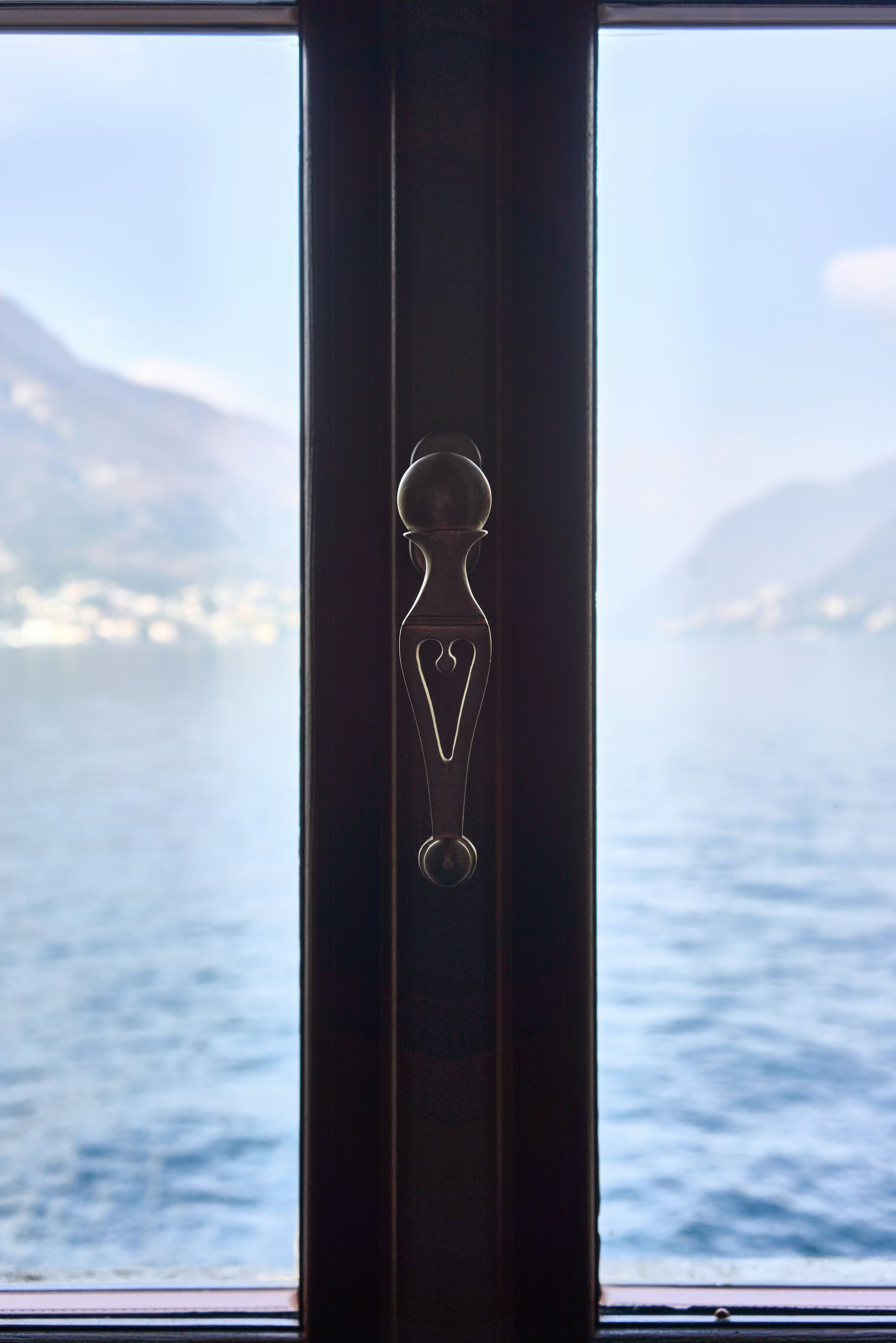
A tilt and turn window is one sash with two ways to open, set by a single handle. Bertrand describes it as a window that can “tilt inward from the top for ventilation or swing fully open inward from the side for cleaning or maximum air flow.” Read the short definition at tilt and turn window.
The style is common in Europe. Bertrand, a maker in Luzino, Poland, builds it as its core style. Honey Rock offers Bertrand’s line, and none of its other two partners list this type.
How does the handle work?
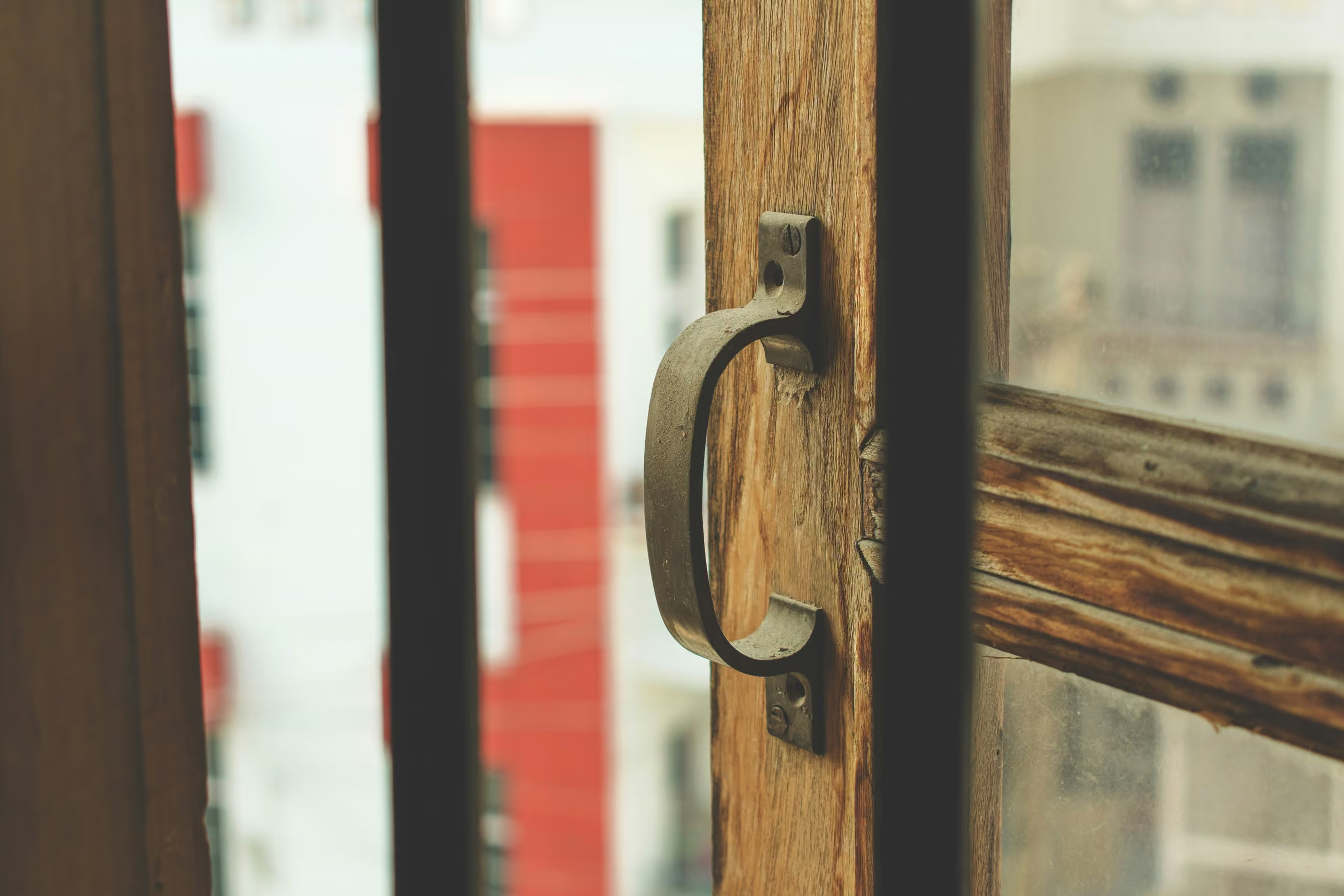
The handle turns the hardware between positions. On most tilt and turn hardware the steps look like this:
- Closed and locked: the handle points down, and the sash locks at several points around the frame.
- Turn: the handle points sideways. The sash swings in on side hinges like a door.
- Tilt: the handle points up. The top edge of the sash drops inward while the bottom stays put.
Handle positions can vary by hardware maker. Bertrand’s Simulated Double Hung page lists “hidden hinges and minimalistic handles” as options. Ask to hold a sample before you approve hardware.
Why choose tilt mode for airflow?
Tilt mode gives fresh air through a small opening at the top while the sash stays in the frame. Turn mode gives the whole opening, which helps a room clear out fast. Bertrand names both uses: ventilation and maximum air flow.
Texas homes use both. Tilt works for overnight air in mild months. Turn works for a quick cross-breeze. Pair either mode with Low-E glass and a good U-factor so the sash does its job when closed.
How do you clean a tilt and turn window?
Turn the sash open, and both faces of the glass sit within reach from inside the room. Bertrand lists cleaning as one reason for the turn position. That is a real gain on second floors, stair landings and over kitchen counters, where reaching the outside is hard.
Wipe the glass, then check the gaskets and the moving hardware. A sash that swings in also keeps the screen question simple: screens mount outside, so ask how yours is removed.
What does an inswing sash mean for furniture and curtains?
A turned sash swings into the room, so it needs clearance. Plan these items before you pick a swing side:
- Sill height: a deep sill with a plant, a desk or a bench in front limits the turn.
- Curtains and blinds: a sash that swings in will push into hung panels. Use inside-mount shades or short treatments.
- Door swings: do not let a turned sash hit a nearby door.
- Furniture: keep a clear arc in front of any sash you plan to turn.
Tilt mode needs far less room, because only the top edge moves.
What are the Bertrand options?
Bertrand makes tilt and turn windows in wood, aluminum and uPVC. These families matter for this window type:
- Synergic (wood-aluminum): Bertrand says its frames measure 90 mm for tilt and turn windows. Bertrand also lists a 5 year warranty and burglary resistance up to RC2 class for Synergic.
- ConceptSystem 77 (aluminum): listed as a Miami Dade NOA rated system for tilt and turn, casement and fixed windows.
- Simulated Double Hung: a classic sash look with a modern tilt-turn or fixed system behind it. See the double-hung windows page and the post on simulated double hung windows.
The Bertrand partner page covers the maker, its shipping from Poland and the published specs.
How does tilt and turn compare with other types?
| Tilt and turn | Casement | Double hung | |
|---|---|---|---|
| Opening | Inward, two modes | Outward (or inward) | Slides up and down |
| Cleaning | From inside, sash swings in | Often from outside | Sash tilts in on many models |
| Furniture clearance | Needs space inside | Needs space outside | None |
| Partner | Bertrand | Jada, Bertrand, Sun | Sun (Bertrand look-alike) |
For casement choices see casement and awning windows.
What should you ask before ordering?
- Which tilt and turn system do you propose, and in which frame material?
- What are the sash weight and size limits for my opening?
- What does the glass package list for U-factor and SHGC?
- Can I see the handle and the hinge style, and how are screens handled?
- What is the lead time, and who installs the unit? Bertrand ships from Poland and says it has no U.S. subsidiaries.
- What is the written warranty for this exact line?
What are the trade-offs of tilt and turn windows?
Tilt and turn windows reward careful planning. Here is the honest list.
- Interior space: the turned sash needs a clear arc inside the room.
- Hardware: one sash with several modes uses more moving parts than a fixed unit. Ask for the hardware brand and the service plan.
- Weight: large glass makes a heavy sash. Bertrand lists sash weight limits by system, so check yours.
- Lead time and shipping: Bertrand ships from Poland. Ask for a dated lead time.
- Service: ask who services hardware after install.
On the plus side, the sash seals against the frame in closed mode, the glass is easy to reach, and you get two kinds of airflow from one handle. Bertrand lists reinforced anti-burglary fittings at RC1 or RC2 level as an option on its Simulated Double Hung, and burglary resistance up to RC2 class on Synergic.
Which frame material fits which home?
Bertrand says tilt and turn windows are often made from wood, vinyl or aluminum. Its range covers wood, PVC, aluminum and the hybrids wood-aluminum and PVC-aluminum. Pick the material for the look and care you want:
- Wood-aluminum (Synergic, Alutrend): a wood interior with an aluminum shell. See clad wood windows.
- Aluminum (ConceptSystem 77, MB-86N): slim metal frames. See aluminum windows.
- uPVC and wood: other Bertrand systems. Ask Honey Rock what is available for your project.
Next step
Send us your plans or photos and we will match the window type to each room. See all windows or start your project. Call (214) 484-9982.
Questions people ask
How does a tilt and turn handle work?
The handle sets the hardware to one of a few positions. In most tilt and turn hardware, one position locks the sash, a second turns it open inward on side hinges, and a third tilts the top in. Ask Honey Rock to show the exact handle positions for the Bertrand line you pick.
Can I clean tilt and turn windows from inside?
Yes. Bertrand says the sash can swing fully open inward from the side for cleaning. That puts the outside face of the glass within reach from the room. This helps most on upper floors where you cannot reach from outside.
Do tilt and turn windows get in the way of furniture and curtains?
They can. The turned sash swings into the room, so it needs clear floor and wall space. Tilt mode only tips the top edge of the sash in. Plan sill height, blinds and furniture before you choose the swing side.
Does Honey Rock offer tilt and turn windows in steel?
No. Of Honey Rock's three partners, only Bertrand lists tilt and turn windows. Jada's steel line is outswing, inswing, awning, hopper and fixed. Sun lists casement, hung and fixed styles. Bertrand makes tilt and turn in wood, aluminum and uPVC.
What is a Simulated Double Hung window?
It is a window that looks like a classic double-hung window but works like a modern tilt-turn or fixed unit. Bertrand says one sash, typically the lower, can be operable as a tilt-turn or side-hung window while the other stays fixed.
How wide is the frame on a Bertrand tilt and turn window?
It depends on the system. Bertrand's Synergic wood-aluminum frames measure 90 mm for tilt and turn windows, as the maker publishes. Other systems list their own depths. Ask for the drawing of the exact system.
Terms on this page
Sources
- Bertrand: About us (tilt and turn defined)
- Bertrand: About us (materials)
- Bertrand: Simulated Double Hung
- Bertrand: Simulated Double Hung (operation)
- Bertrand: Aluminum windows (ConceptSystem 77)
- Bertrand: Synergic
- Bertrand: Synergic (warranty)
- Bertrand: Synergic (security)
- Bertrand: FAQ (no U.S. subsidiary)
- Jada Windows: Swing products
Product facts come from each maker’s own published pages, checked on November 5, 2026. Makers change their lines, so confirm details for your project with Honey Rock Window and Door.