
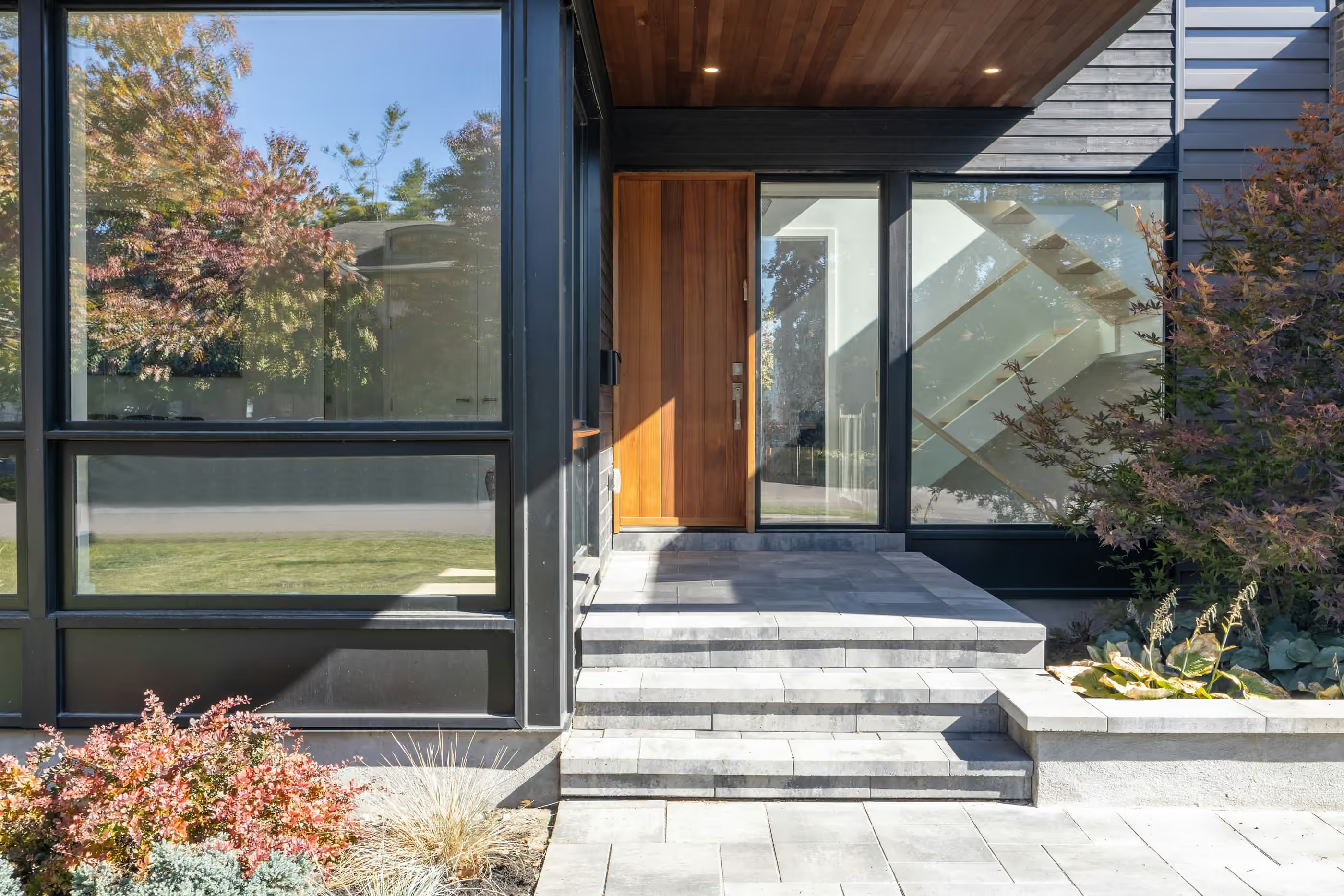
What is a pivot door, and how does it work?
A pivot door turns on a pivot point near the top and bottom of the door instead of on hinges along the side. Jada’s vertical pivot door turns on a hydraulic floor pivot, concealed in the finished floor. The pivot guides the door, holds it open and closes it.
Because the pivot sits away from the door edge, part of the door swings into the room and part swings out. That is why a pivot door can look like a slab of wall that turns open. Our pillar page on pivot doors covers the full range. For a short explainer, read how a pivot door works.
This guide helps you decide whether a pivot fits your house, and what to confirm before you order. Terms are in our glossary: pivot door and pivot hinge.
Where does a pivot door fit in a home?
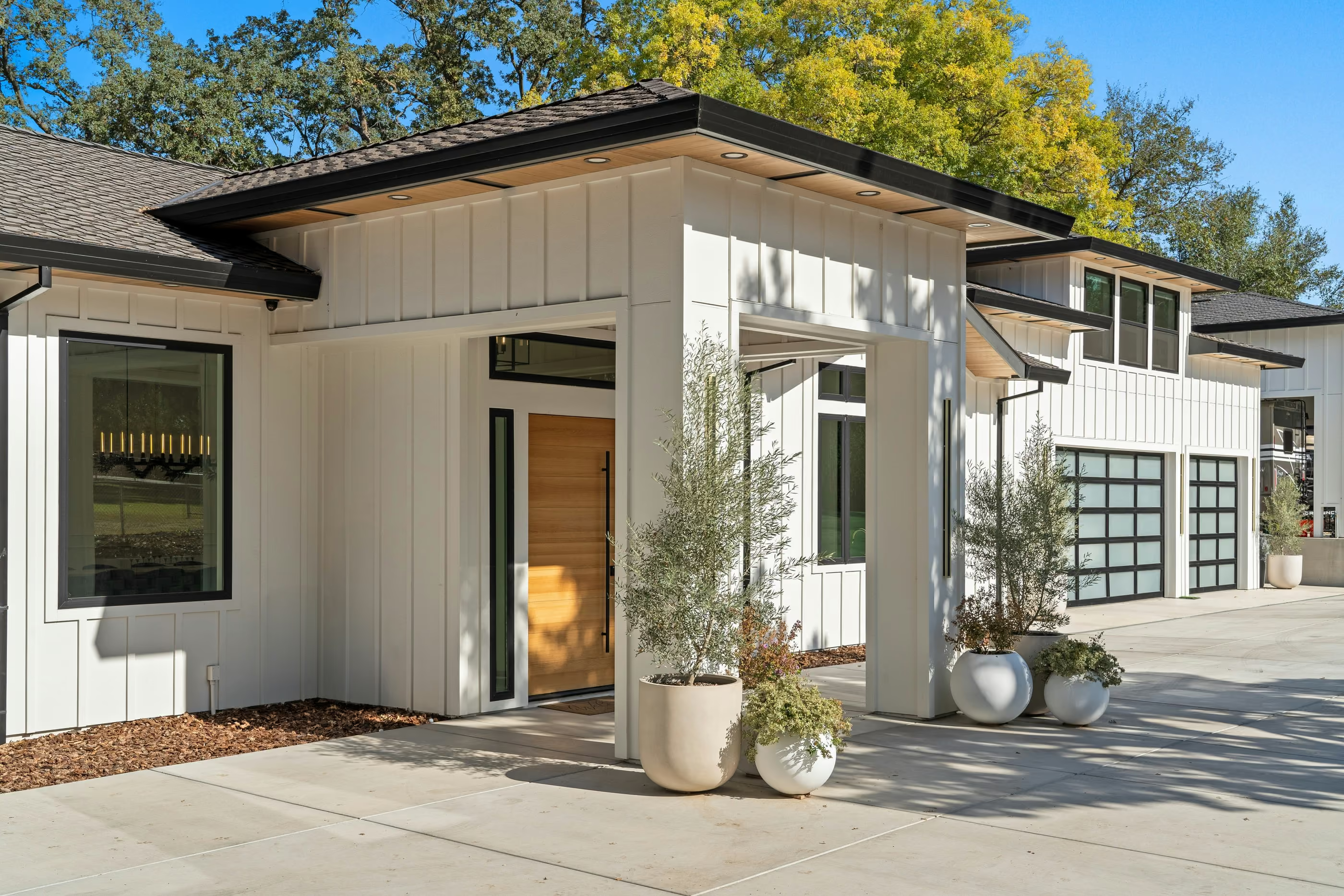
Pivot doors suit entries, courtyards and covered passages where you want a bold, tall door. Jada says they are ideal where you want to add drama to a space or where a pocket sliding door is impractical. They work under a deep porch or a roofed entry.
Places a pivot works well:
- A front entry under a covered porch.
- A courtyard gate or garden door with a roof overhead.
- An interior glass partition between rooms.
- A passage where a pocket door will not fit in the wall.
Places to be careful: open patios, west-facing walls with no cover, and any spot where wind-driven rain reaches the sill. Jada says pivot doors should only be used in covered areas with limited exposure unless special sill drainage is incorporated.
What does the swing need?
A pivot needs clear floor space on both sides of the door, since part of the door sweeps in and part sweeps out. Plan the arc before you finalize the wall, the flooring and any furniture or planters near the opening.
Check these swing items:
- Inside arc. Keep it clear of furniture, rugs and stair rails.
- Outside arc. Keep it clear of planters, steps and lights.
- Wall return. Ask where the door stops in the open position and what protects the wall.
- Pivot offset. Ask where the pivot point sits. A shifted pivot changes the clear opening and the arc.
- Hold open. Jada says its floor pivot acts as a hold open and as a hydraulic closer. Ask at what angles it holds.
Ask your supplier for a plan view that draws the full swing in both directions.
Why does the sill matter so much?
The sill is the weak point of a pivot door. Jada says the weatherstrip is on different planes because part of the door sweeps in and part sweeps out, so it does not give a single plane of compression seal. A pivot also needs a raised threshold for the weatherstrip to sweep against.
That detail shapes the floor. Jada notes that the threshold is typically stone or part of the hard surface flooring material. If you plan an interior rug, the sill must be high enough to handle the extra height, and the sill details are worked out during the shop drawing process.
Make a list of floor questions for your builder:
- What is the finished floor height inside and outside?
- Is the threshold stone, or part of the floor material?
- Where does water drain if it reaches the sill?
- How does the floor pivot box sit in the slab or subfloor?
- Who sets the pivot and who adjusts the door?
For a deeper look at how openings are measured, see rough opening vs frame size and the glossary entry for sill.
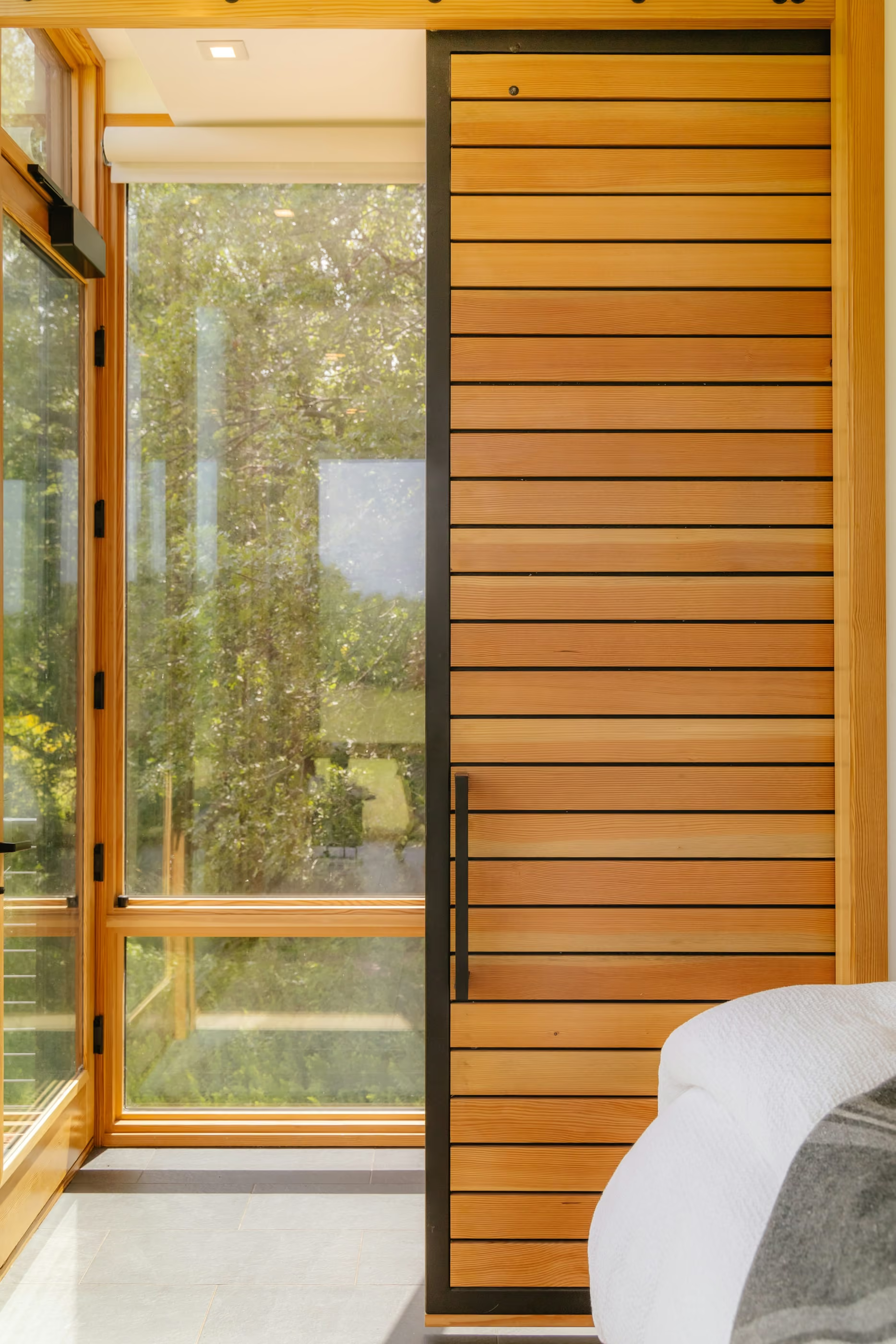
Are pivot doors secure?
Security depends on the locking hardware, the hinge rating and the build. Jada says its pivot doors include a concealed multi-point locking system that ensures good weatherstrip contact over the full height of the door. Multi-point means more than one latch point along the door edge.
Jada does not publish a security test rating for its pivot door on the pages we reviewed. Bertrand’s MB-86N Pivot Door page lists a customizable locking mechanism and concealed bearing hinges with a load capacity of up to 500 kg. Neither page replaces test data, so ask for it.
Questions to ask about security:
- How many lock points does the door have, and where?
- What is the lock brand and type?
- Can the door take a smart lock or keypad?
- Are there test results for forced entry?
- How is the glass protected? See laminated glass and tempered glass.
Jada also notes that screen options are not practical on pivot doors because of the dual projection.
How big and heavy can a pivot door be?
Size limits depend on the maker, the pivot hardware and the floor. Bertrand publishes maximum leaf dimensions of 2.0 x 3.4 m (about 6 ft 7 in wide by 11 ft 2 in high) for its MB-86N Pivot Door, and concealed bearing hinges with a load capacity up to 500 kg. Jada publishes no maximum size.
The conversion above is ours. Use the metric figures from Bertrand when you write a spec.
| Question | Jada (steel) | Bertrand (aluminum, MB-86N) |
|---|---|---|
| Pivot style | Vertical pivot on a hydraulic floor pivot | Pivot door with concealed bearing hinges |
| Published maximum leaf | Not published | 2.0 x 3.4 m |
| Published hinge load | Not published | Up to 500 kg |
| Locking | Concealed multi-point | Customizable locking mechanism |
| Single or pair | Single door, pair, or pair with sidelites | Not stated on the page we reviewed |
| Screens | Not practical | Not stated |
A tall, wide door with full glass is heavy. Ask the maker to total the door weight with glass and compare it to the pivot rating. Ask who stamps the structural detail for the floor and head. A heavy door needs solid framing above and below it.
How much does a pivot door cost?
Honey Rock publishes no prices, and the maker pages we reviewed list none. A pivot door is custom, so cost follows the build. Ask for a written, itemized quote.
Cost drivers include:
- Door size and glass area.
- Material and finish. See steel vs aluminum windows.
- Floor pivot hardware and locking.
- Sidelites or a second leaf.
- Sill and threshold work, including stone.
- Shipping and handling for a heavy, fragile unit.
- Site prep: framing, floor box and drainage.
Do not compare a quote for a pivot with a quote for a standard swinging door. The hardware, structure and sill work differ.
What should I confirm before I order?
Use this checklist with your builder or architect. It covers the details that cause the most change orders on pivot doors.
- The full-size plan view with the swing arc.
- The maximum size and weight for your door, in writing.
- The pivot hardware model and its rated load.
- The sill and threshold detail, with drainage.
- The covered area above the door and how far it extends.
- The locking system and any test data.
- The glass makeup and the NFRC label values. Our NFRC label guide shows how to read them.
- The finish system and its written warranty.
- The lead time and the shipping route.
If your project includes a larger entry plan, read our planning guide and the page on custom entry doors.
How does a pivot compare with a swing or sliding door?
A pivot is a statement door. A swing door is the simplest choice. A sliding door saves swing space. The table compares the three on the points that matter most at the planning stage.
| Point | Pivot door | Standard swing door | Sliding door |
|---|---|---|---|
| How it moves | Turns on a floor and head pivot | Turns on side hinges | Rolls on a track |
| Swing space | Needs clear arcs in and out | Needs one clear arc | Needs wall or track space |
| Sill and weather | Raised threshold, covered areas advised by Jada | Standard sill choices | Low track with drain possible |
| Look | Large, single plane | Familiar | Wide glass runs |
| Typical use | Entry or covered passage | General use | Patio or terrace wall |
Our pages on French doors and custom entry doors cover swing options. For sliding walls, see sliding and lift-slide doors.
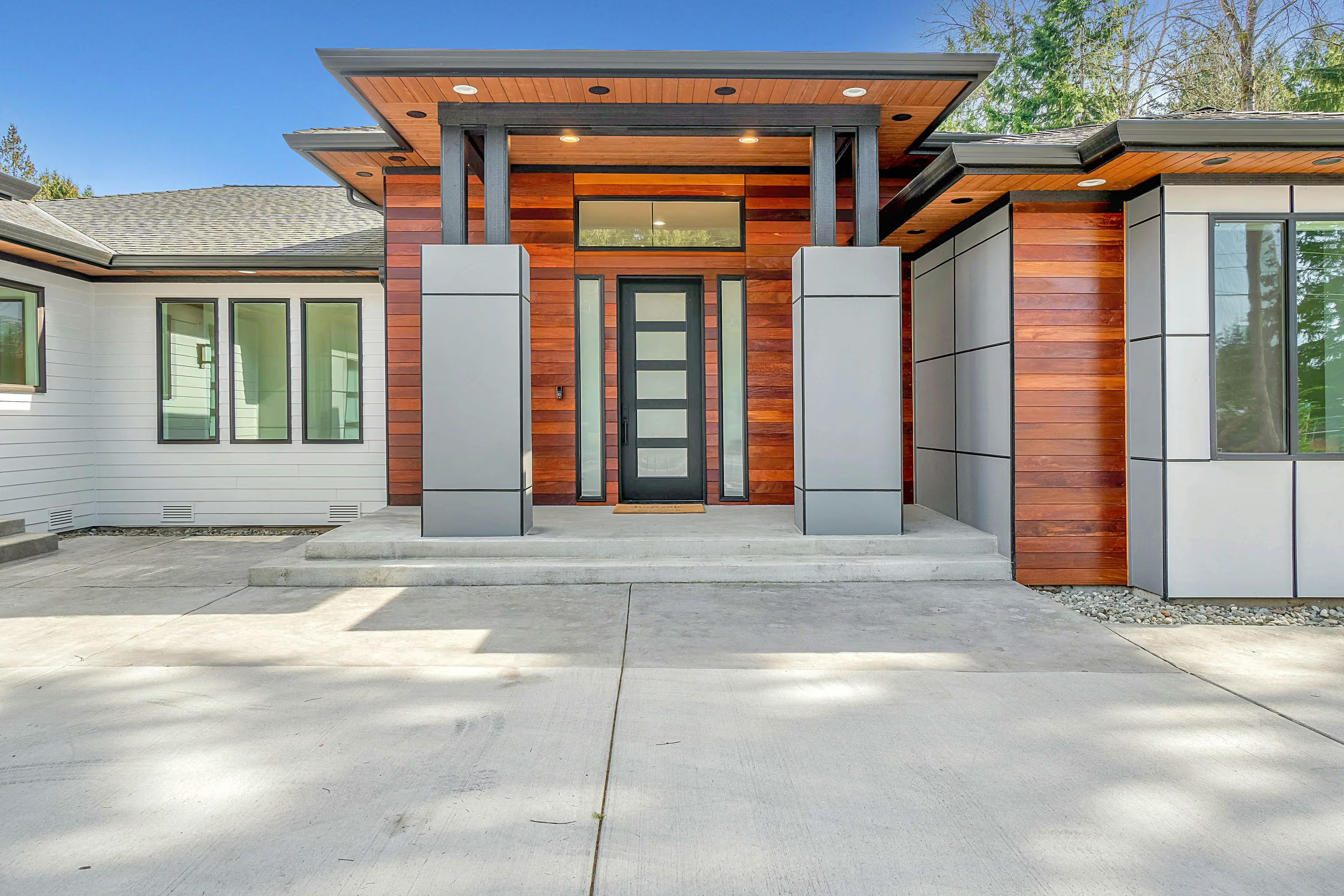
What about heat and glass on a Texas entry?
A pivot with a lot of glass brings heat gain, especially on a west or south wall. The US Department of Energy says warm-climate buyers should look for low SHGC to reduce unwanted heat gain. ENERGY STAR notes that even doors with lots of glass have lower glass-to-frame ratios than windows.
Ask for the NFRC label values for the exact door, then compare them. Our SHGC and U-factor guide and glass options guide explain how to choose glass for a hot exposure. A deep porch roof also helps. It shades the glass and shelters the sill, which suits the covered-area advice from Jada.
How do I care for a pivot door after install?
A pivot door is a working machine. The floor pivot, the weatherstrip and the lock all need a check. Ask your supplier how to adjust the door as the house settles, and who to call for service.
A simple care routine:
- Wipe the glass and the frame on a regular basis with a mild cleaner your supplier approves.
- Check the weatherstrip for gaps or wear.
- Watch the gap around the door. Uneven gaps can signal a pivot that needs adjustment.
- Keep the sill and drain clear of leaves and grit.
- Test the lock points each season.
Jada says the pivot is concealed within the finished floor. Ask where the access plate sits and how a service technician reaches the pivot without lifting the floor.
Next step
Share your plans and your entry drawing, and we will help you size the swing, sill and glass. Start on the pivot doors page, then start your project or call (214) 484-9982.
Questions people ask
How do pivot doors work?
A pivot door turns on a pivot point near the top and bottom edges instead of on side hinges. Jada's door turns on a hydraulic floor pivot hidden in the finished floor. The pivot controls the movement and acts as a hold open and a hydraulic closer.
Are pivot doors secure?
Security depends on the locking system and the build. Jada says its pivot doors include a concealed multi-point locking system, which ensures good weatherstrip contact over the full height of the door. Ask for the lock details, the hinge rating and any test data in writing.
How much does a pivot door cost?
Honey Rock publishes no prices, and Jada and Bertrand list none on the pages we reviewed. Cost depends on size, glass, finish, locking, floor pivot hardware and sill detail. Ask for a written quote that lists each item.
Can a pivot door be used outside?
Yes, with limits. Jada says pivot doors should only be used in covered areas with limited exposure unless special sill drainage is incorporated. The reason is that part of the door sweeps in and part sweeps out, so the seal is not one flat plane.
How big can a pivot door be?
It depends on the maker. Bertrand lists maximum leaf dimensions of 2.0 x 3.4 m for its MB-86N Pivot Door, with concealed bearing hinges rated up to 500 kg. Jada publishes no maximum size, so ask for it in writing.
Terms on this page
Sources
- Jada Windows: Pivot Doors (system)
- Jada Windows: Pivot Doors (floor pivot)
- Jada Windows: Pivot Doors (concealed pivot)
- Jada Windows: Pivot Doors (covered areas)
- Jada Windows: Pivot Doors (double projection)
- Jada Windows: Pivot Doors (raised threshold)
- Jada Windows: Pivot Doors (locking)
- Jada Windows: Pivot Doors (screens)
- Jada Windows: Pivot Doors (use)
- Jada Windows: Pivot Doors (hold open)
- Jada Windows: Pivot Doors (threshold)
- Jada Windows: Pivot Doors (rugs)
- Jada Windows: Pivot Doors (shop drawings)
- Jada Windows: Pivot Doors (single or pair)
- Bertrand: MB-86N Pivot Door (leaf size)
- Bertrand: MB-86N Pivot Door (hinges)
- ENERGY STAR: Doors and glass
- US Department of Energy: Hot Climate Strategy
- ENERGY STAR: Doors and glass ratio
Written by Honey Rock Window and Door and checked against the sources above on November 5, 2026. Product specifications and city rules change, so check the linked page before you act.